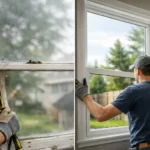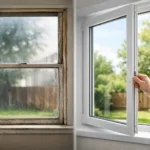
A frosty pane, a cold draft beside the sofa, and a furnace that seems to run without a break are often the real before-and-after window replacement story. New windows can transform the appearance of a Calgary home, but homeowners usually notice the difference in how their rooms feel first: warmer in winter, quieter during busy hours, and less affected by changing outdoor temperatures.
The best results do not come from glass alone. They come from choosing windows designed for local conditions, measuring carefully, and installing every unit with attention to insulation, sealing, drainage, and interior finish. That is why replacement should be evaluated as a complete home improvement project, not just a product purchase.
Before and After Window Replacement: Look Beyond the Glass
Before replacement, window problems often show up gradually. You may feel a draft near a frame, see moisture between panes, struggle with a sticking sash, or notice fading floors and furniture near sunny windows. Some homes have aging windows that still look acceptable from the street but have worn seals, weak hardware, or inefficient single-pane and early double-pane glass.
After replacement, the visible improvement is immediate. Fresh frames can sharpen curb appeal, improve sightlines, and make dated rooms feel cleaner and brighter. A bow or bay window can add dimension to a front room, while a larger picture window can make the most of a backyard view. Frame colors, grille patterns, hardware, and glass options also allow the new windows to fit the home instead of looking like an afterthought.
The less visible gains are often more valuable over time. Properly selected replacement windows can reduce drafts, help maintain steadier indoor temperatures, limit condensation risk, and reduce the strain placed on heating and cooling equipment. Results vary by the home’s insulation, orientation, existing window condition, and installation quality, but homeowners with failing windows frequently feel a meaningful change right away.
Comfort Changes Room by Room
A home does not lose heat evenly. North-facing bedrooms, rooms above garages, large living-room windows, and older additions are common trouble spots. Replacing windows in these areas can make them more usable during a Calgary winter, especially when old frames and sealed units have begun to fail.
Modern insulated glass units use multiple panes, sealed air spaces, and specialized coatings to manage heat transfer. The right glass package depends on where the window is located. A sunny south or west exposure may benefit from glass that helps control solar heat gain, while a colder side of the home may call for a configuration focused on retaining interior warmth.
Frame design matters, too. A well-built replacement window needs tight weatherstripping, durable hardware, and a frame suited to temperature swings. If a window opens, it should operate smoothly and close securely. Casement and awning windows, for example, can provide a tight compression seal when closed, while sliding or hung windows may be the practical choice where space or existing architecture calls for them.
What the Installation Changes
A new window placed into a poorly prepared opening can still leak air, collect moisture, or create finish problems. The before-and-after window replacement difference depends heavily on what happens around the frame.
Professional installation starts with accurate measurement and a clear plan for each opening. The old unit is removed carefully, the opening is inspected, and any issues with damaged wood, poor insulation, or previous water intrusion should be addressed before the new window is secured. The installer then levels and fastens the unit, insulates the perimeter appropriately, applies exterior sealing, and completes interior trim work with a clean finish.
This process is especially important in Alberta’s freeze-thaw conditions. Exterior seals must be applied correctly, and water needs a path away from the opening. Homeowners should expect a professional crew to protect work areas, control dust, remove job debris, and leave the home orderly. Clean installation is not merely a courtesy. It reflects the care taken throughout the project.
Energy Savings Need a Realistic View
Replacement windows can help lower energy use, but they are not a magic fix for every high utility bill. Attic insulation, wall insulation, air leakage at doors, furnace efficiency, ductwork, and household habits all affect monthly costs. A home with severely worn windows may see a more noticeable reduction than a home replacing moderately efficient units.
The practical goal is better overall performance. Less air leakage and more stable glass temperatures can reduce cold spots, make thermostat settings feel more effective, and support more consistent comfort. Even when utility savings are gradual, improved comfort, easier operation, reduced condensation, and fewer maintenance concerns add real value to the investment.
When comparing quotes, ask what is included in the window’s performance package and installation scope. The lowest initial price may not include the same glass options, frame quality, finishing work, warranty support, or removal services. A clear quote makes it easier to compare like for like.
Better Sound Control and Security
Traffic, wind, barking dogs, and neighborhood activity can make certain rooms less restful. New windows may reduce outdoor noise because tighter frames and insulated glass leave fewer paths for sound to enter. The improvement depends on the existing windows, glass construction, and the source of the noise. If sound control is a major concern, discuss it during the consultation rather than assuming every glass package will perform the same way.
Replacement windows can also improve day-to-day security. Worn locks, loose frames, and difficult-to-close sashes create concerns that should not be ignored. New hardware, secure locking points, and properly fitted frames help homeowners feel more confident that windows close and latch as intended. For lower-level rooms, egress requirements may also influence the size and operating style selected.
Choosing a Style That Improves the Home
The right replacement window should work with the home’s architecture and how each room is used. A fixed picture window provides broad views and maximum light where ventilation is not needed. Casement and awning windows are popular for kitchens, bathrooms, and bedrooms because they open easily and can direct fresh air into the home. Sliding and hung windows can suit tighter spaces, while turn-and-tilt designs offer versatile ventilation and cleaning access.
Do not choose solely by what looks best in a brochure. Consider furniture placement, window cleaning, emergency exit needs, privacy, natural light, and the direction each wall faces. A knowledgeable consultant can help balance these decisions without pushing unnecessary upgrades.
For homeowners who want a distinctive result, custom sizing and design can make a significant difference. Replacing a mismatched collection of aging windows with coordinated styles and finishes can give the exterior a more intentional appearance while improving the interior experience at the same time.
Why Factory-Direct Service Matters
Window replacement involves several connected steps: consultation, product design, manufacturing, scheduling, installation, and warranty support. When these stages are handled by separate parties, it can be difficult to identify who is responsible if details are missed.
A manufacturer-installer model gives homeowners a clearer path from quote to completion. Window Seal West manufactures Canadian-made windows locally in Calgary and manages the process from customization through professional installation. That direct control can support more accurate product matching, dependable communication, and factory-direct pricing without sacrificing the tailored details a home may require.
It is still wise to ask practical questions before committing. Confirm the expected lead time, what preparation is needed, how interior and exterior finishing will be handled, what warranty coverage applies, and whether financing is available. A reputable company will answer directly and provide a quote that explains the work rather than hiding important details in vague allowances.
Plan for the Days After Installation
Once new windows are in place, inspect them with the installer before the crew leaves. Open and close each operating unit, test the locks, review screens and hardware, and look at the interior and exterior finish in good daylight. Ask how to clean the frames and glass, operate any specialty hardware, and care for the windows without damaging seals or finishes.
A small amount of adjustment may be normal as a home settles and materials respond to seasonal conditions. However, persistent drafts, difficult operation, visible gaps, water staining, or condensation between glass panes should be reported promptly. Good warranty support matters because it protects the long-term result, not just installation day.
If your windows are showing their age, start with the rooms that make your home least comfortable. A detailed consultation and a transparent quote can turn a frustrating draft or failed seal into a lasting improvement you notice every time you come home.