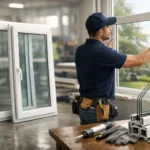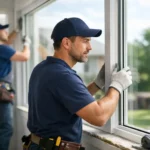
When a window starts fogging between panes, sticking in winter, or letting a cold draft roll across the floor, the question stops being whether to replace it. The real question is what kind of replacement will actually hold up. For many homeowners, canadian made replacement windows stand out for one simple reason – they are built for the climate they have to face.
That matters more than most people expect. A replacement window is not just glass in a frame. It affects comfort, heating costs, noise, curb appeal, and how well your home performs through years of temperature swings. If you are comparing quotes, materials, and brands, it helps to understand why local manufacturing can make a meaningful difference.
Why canadian made replacement windows get more attention
Not all replacement windows are built with the same priorities. Some products are mass produced for broad distribution and designed to meet general standards across many regions. Canadian made replacement windows are often developed with harsher seasonal conditions in mind, including cold winters, summer heat, rapid temperature changes, and the day-to-day wear that comes with those extremes.
That does not automatically make every Canadian-made product better than every imported one. Quality still depends on the manufacturer, the design of the window, and the installation. But in practical terms, homeowners often see advantages in products that are made closer to home, especially when those products are intended for local residential use rather than broad national distribution.
A window built for this environment usually focuses on thermal performance, durable frame construction, reliable sealed units, and tighter quality control. Those are not small details. They are the difference between a window that looks fine on day one and one that still performs well after years of freeze-thaw cycles.
The real value is not just where the window is made
It is easy to focus on the label and stop there. But the bigger value is what local manufacturing can support behind the scenes.
When a company manufactures its own windows, it has more direct control over materials, production standards, sizing, and lead times. That often translates into better consistency and more accurate customization. If your home has older openings, non-standard dimensions, or specific style requirements, that kind of control can save time and avoid compromise.
It can also improve accountability. When manufacturing and installation are closely connected, there is less finger-pointing if an issue comes up. Homeowners are not left trying to sort out whether a problem came from the product, the order, or the install crew. That cleaner line of responsibility builds confidence, especially for a purchase that is expected to last for decades.
Energy efficiency matters, but specs are only part of the story
Most homeowners begin their search wanting lower heating bills and fewer drafts. That is reasonable, but energy efficiency should be looked at as a whole-system issue.
The glass package matters. Low-E coatings, gas fills, and multi-pane configurations all contribute to performance. The frame matters too, because poor frame construction can weaken the overall thermal result. Then there is the installation itself. Even a well-made energy-efficient window can underperform if it is not properly measured, sealed, insulated, and fitted to the opening.
This is where many buying decisions go sideways. A lower quote can look attractive until you learn it includes a basic glass package, limited customization, or rushed installation. Savings up front are not always savings over time.
The better approach is to compare value, not just price. Ask what performance features are included, how the window is built, who is installing it, and what support you can expect after the job is complete.
Custom fit is a bigger deal than most homeowners realize
Replacement windows are not one-size-fits-all products. Older homes shift. Openings settle. Previous renovations can leave hidden inconsistencies that only show up once measurements begin.
That is why custom manufacturing has a real advantage. A properly built replacement window should fit your opening, your home style, and your performance goals. If you want larger glass area, improved ventilation, better ease of cleaning, or a particular interior and exterior finish, those details should be addressed before production starts, not improvised on installation day.
This is especially important when homeowners are replacing several window types across the same property. A house may need casement windows in one room, fixed or picture windows in another, and sliding or hung units elsewhere based on how each space is used. A broad product catalog helps, but what matters more is having guidance on which style makes sense for each opening.
Canadian made replacement windows and installation quality
A good window deserves a professional install. This part is often underestimated because the product gets most of the attention.
Installation affects air leakage, water management, insulation, trim finish, and the overall lifespan of the unit. Cleanliness matters too. Homeowners are not just buying a product. They are inviting a crew into a finished living space and trusting them to work carefully, protect the home, and leave it in good condition.
A dependable installation process should include accurate measurement, clear scheduling, proper removal of old materials, secure fitting of the new unit, insulation and sealing, and a clean final finish. If a company treats installation like an afterthought, even a quality window can become a frustrating investment.
That is one reason factory-direct, full-service providers are attractive to comparison shoppers. The same team that helps specify the window is connected to the process of building and installing it. That tends to produce better communication and fewer surprises.
What homeowners should compare before buying
There is no single best replacement window for every home. It depends on budget, style preferences, exposure, and long-term plans for the property.
For some homeowners, the priority is energy savings. For others, it is curb appeal, easier operation, or replacing aging windows before they cause larger issues. If you plan to stay in the home for many years, investing in stronger performance and professional installation usually makes sense. If resale is a near-term goal, appearance, warranty confidence, and overall value may carry more weight.
When reviewing estimates, look beyond the total number. Compare frame quality, sealed unit construction, hardware, style options, installation standards, warranty coverage, and whether the windows are custom built or pulled from limited stock sizes. Also pay attention to how clearly the company explains the process. Honest, detailed quoting is often a sign of a well-run operation.
Why factory-direct pricing gets attention
Homeowners often assume that higher quality must mean a much higher price. That is not always true.
When you buy through a manufacturer-direct model, there are fewer layers between production and installation. That can reduce markup and create room for better value. It also means the quote is more likely to reflect the actual product being built for your home, rather than a generic package adjusted by a third party.
For budget-conscious households, that pricing structure can make a meaningful difference. Financing, promotions, and transparent quoting also help reduce hesitation, especially for larger whole-home replacement projects.
A company like Window Seal West, which manufactures in Calgary and provides factory-direct service, gives homeowners a more controlled process from design to install. That local oversight is a practical benefit, not just a marketing point.
When local manufacturing makes the most sense
If your top priorities are quick turnaround, custom sizing, cold-weather performance, and clearer accountability, local manufacturing is worth serious consideration. It is also a strong fit for homeowners who want a direct relationship with the company responsible for the final result.
There are cases where another option may still fit. If a homeowner is focused only on the lowest upfront price, stock products may seem appealing. But that decision often comes with trade-offs in fit, features, or long-term performance. Replacement windows are not a purchase most people want to repeat soon.
The better question is not simply, “Where was this window made?” It is, “Who built it, who stands behind it, and how confident am I in the finished result?”
That is where canadian made replacement windows continue to stand out. When they are backed by strong manufacturing control, professional installation, and honest pricing, they offer more than a patriotic label. They offer a smarter path to comfort, efficiency, and peace of mind.
If your windows are showing their age, this is a good time to ask better questions, compare more carefully, and choose a product built to perform where you live. A well-made window should do its job quietly for years. You should feel the difference long before you think about it again.