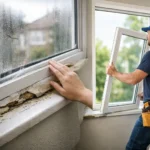
A replacement door can look great in a showroom and still be the wrong choice for your home. In Calgary, where winter cold, summer heat, and strong weather swings all put stress on exterior products, knowing how to choose replacement doors comes down to more than appearance. The right door needs to protect your home, seal properly, suit your daily routine, and hold up for years without becoming a source of drafts, sticking, or repair costs.
For most homeowners, the best decision starts with a simple shift in thinking. You are not just buying a slab, frame, or piece of glass. You are choosing security, energy performance, curb appeal, and long-term value all at once. That is why the details matter.
How to choose replacement doors for your home
The first question is not which style you like best. It is where the door is going and what job it needs to do. A front entry door has different demands than a patio door or a side entrance. Your main entry usually needs the strongest balance of security, insulation, weather resistance, and visual impact. A rear or side door may put more emphasis on function and privacy. A patio or garden door often needs to bring in light while still performing well in cold weather.
This is where many buying decisions go off track. Homeowners compare door types as if they are interchangeable, when they are really built for different priorities. Steel entry doors are often chosen for strength, durability, and value. Fiberglass doors appeal to homeowners who want a premium look with strong resistance to wear, dents, and temperature changes. Sliding patio doors work well where space is limited, while French or garden doors create a wider, more decorative opening but require more swing clearance and planning.
If your goal is to improve both performance and appearance, the best replacement door is usually the one that solves the practical problem first and upgrades the look second.
Start with material, not just style
Material affects how the door performs year after year. It also affects maintenance, cost, and the kind of finish you can expect.
Steel doors are a common choice because they are secure, cost-effective, and well suited to harsh conditions. They offer a clean appearance and can be paired with a range of glass inserts and hardware options. For many homeowners, steel hits the sweet spot between price and performance.
Fiberglass doors are often worth considering if you want a more refined appearance or a wood-look finish without the maintenance demands of real wood. They resist warping, swelling, and surface wear very well, which makes them a strong long-term option in demanding climates.
Patio door frames also deserve attention. Vinyl is popular for energy efficiency and low maintenance, while other frame systems may be selected for a narrower sightline or a specific design goal. The right choice depends on your priorities, your budget, and how exposed the door is to weather.
There is no universal best material. There is only the best material for your entrance, your home, and your expectations.
Think about energy performance in real-life terms
Most homeowners say they want an energy-efficient door, but what that means in practice is comfort. You want fewer drafts, more stable indoor temperatures, and less strain on your heating and cooling system.
A good replacement door is not just about the panel itself. Performance depends on the full system, including the frame, weatherstripping, threshold, glass package, and installation quality. Even a well-made door can underperform if the opening is measured poorly or the installation leaves gaps.
Glass also changes energy performance. Decorative glass inserts, sidelites, and large patio door panels can transform a space, but they need to be chosen carefully. Modern energy-efficient glass options can deliver strong insulation while still bringing in natural light. That said, more glass generally means a different thermal profile than a solid panel, so the right balance depends on the location of the door and your comfort priorities.
If your current door feels cold to the touch, leaks air, or forms condensation issues around the frame, replacement is often about more than appearance. It is a practical upgrade that can improve everyday comfort.
Security should guide the decision
A replacement door should make your home feel more secure, not just look newer from the street. That means looking beyond the finish and focusing on the full entry system.
A strong door panel matters, but so do the frame, hinges, multipoint or quality lock hardware, strike plate reinforcement, and the overall installation. Weak points are often found around the perimeter, not in the center of the door. If the frame is not solid or the hardware is poorly installed, a premium-looking door may not offer the protection you expect.
This is especially important for doors with glass. Glass can be beautiful and practical, but privacy and security need to be part of the design conversation. Depending on the location, you may want smaller inserts, decorative privacy glass, or a configuration that allows light without exposing the interior.
The best door choices feel solid when used every day. They close cleanly, lock smoothly, and create confidence from the first touch.
Match the design to the house
Curb appeal matters, but replacement doors should look like they belong. A bold modern slab can look excellent on the right exterior and completely out of place on another. The goal is not to copy your old door exactly. It is to choose a design that works with the architecture, color palette, and proportions of the home.
For some homes, that means a classic steel entry door with a simple glass insert. For others, it means a fiberglass door with more texture and detail, or French doors that open up the backyard and add character. Hardware finish, grille style, glass pattern, and sidelites all influence the final result.
This is where customization becomes valuable. Standard options work for some projects, but many homeowners get a better result when they can tailor size, finish, glass, and hardware to fit the home properly. Factory-direct manufacturing can make that process more efficient while keeping control over quality and lead times.
How to choose replacement doors without overbuying
It is easy to assume the highest-priced option is always the smartest long-term buy. Sometimes it is. Sometimes it is not.
If you are replacing a heavily used front entry, investing more in insulation, finish quality, and upgraded hardware can make sense. If you are replacing a secondary entrance with simpler needs, a practical steel option may deliver excellent value without unnecessary upgrades. The same logic applies to patio doors. A larger opening with high daily use may justify a more premium system, while a less-used entrance may not need every available feature.
A good quote should help you see where your money is going. You should understand what is included in the product, what is included in installation, what kind of warranty coverage applies, and whether the door is being built for your opening or adapted to fit. Clear pricing builds trust. So does honest guidance on where upgrades matter and where they do not.
Installation is part of the product
Homeowners often spend a lot of time choosing the door and not enough time evaluating who will install it. That is a mistake. Even an excellent replacement door can disappoint if the installation is rushed, messy, or inaccurate.
Professional installation should include careful measuring, proper removal of the old unit, attention to insulation and sealing, clean finishing work, and a final fit that operates smoothly. The crew should protect the work area, respect your home, and leave the space clean. Those details may sound small until you have lived through a poor installation.
This is one reason many homeowners prefer working with a manufacturer-installer rather than piecing the project together through separate suppliers and contractors. When one team controls the product, customization, and installation, there is usually less room for confusion and better accountability from start to finish. Companies like Window Seal West build trust this way because homeowners know who is responsible for the outcome.
What to ask before you commit
Before choosing a replacement door, ask practical questions. How will this door perform in local weather conditions? What material best suits this opening? What glass options balance light, privacy, and efficiency? Is the quote covering the full installed job or just the product? What warranty applies to the door, glass, hardware, and labor?
You should also ask how customized the solution really is. Not every opening is perfectly standard, and forcing a standard unit into a nonstandard space can create performance problems later. Proper fit is one of the biggest factors in long-term satisfaction.
When the answers are clear, the decision gets easier. You are not guessing based on a brochure or a photo. You are choosing a door system that fits your home, your climate, and your budget with fewer surprises after installation.
The right replacement door should make your home feel tighter, safer, quieter, and more finished every time you use it. If you choose with performance in mind and not just first impressions, you will notice the difference long after the project is done.