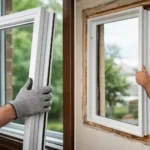
If your current windows feel drafty in winter, too hot in summer, or simply tired from years of wear, it is fair to ask: are vinyl windows worth it? For many homeowners, the answer is yes – but only when the windows are well made, properly installed, and chosen for the right home, climate, and budget.
That last part matters. Vinyl windows have earned a strong reputation because they are energy efficient, low maintenance, and often more affordable than wood or fiberglass. At the same time, not every vinyl window is built to the same standard, and not every quote reflects the full value of the project. The real question is not just whether vinyl is cheaper up front. It is whether it gives you dependable performance, comfort, and durability over the long term.
Are Vinyl Windows Worth It for Most Homeowners?
In practical terms, vinyl windows are worth it for most homeowners who want a balance of price, efficiency, and low upkeep. They make especially good sense in replacement projects where you want to improve insulation, reduce maintenance, and avoid the higher cost of premium frame materials.
Vinyl frames do not need scraping, staining, or repainting. They resist moisture well, and quality units can perform reliably for many years when manufactured and installed correctly. For busy households, that simplicity is part of the value. You buy them to solve problems, not create more maintenance work.
They also fit the priorities most homeowners care about most: lower energy bills, better indoor comfort, cleaner appearance, and a reasonable return on investment. If you are comparing options as part of a renovation or upgrade, vinyl often lands in the sweet spot.
Where Vinyl Windows Deliver the Best Value
The biggest advantage of vinyl is that it covers a lot of needs at once without pushing the price too high. That is why it remains one of the most popular window materials in residential projects.
Energy efficiency is one of the strongest reasons people choose vinyl. The frame itself does not transfer heat the way metal can, and modern glass packages can be built for strong thermal performance. When combined with airtight installation, that can mean fewer drafts, more stable indoor temperatures, and less strain on your heating and cooling system.
Cost is another major factor. Vinyl windows are usually more affordable than wood or fiberglass, especially when you are replacing multiple windows at once. That lower price point gives homeowners room to invest in better glass, custom sizing, or professional installation rather than stretching the budget on frame material alone.
Low maintenance is the third major selling point. A quality vinyl frame does not rot, does not need regular finishing, and generally cleans up with simple routine care. For homeowners who want an upgrade that looks good without ongoing work, that matters.
Then there is appearance. Older vinyl windows had a reputation for looking plain, but that has changed. Better manufacturing and design options now allow for cleaner lines, attractive colors, and styles that work well in both traditional and modern homes.
The Trade-Offs Homeowners Should Know
Vinyl is not the perfect choice for every project. An honest answer to are vinyl windows worth it has to include the drawbacks too.
The first trade-off is material prestige. If you want the look and feel of real wood on a high-end custom home, vinyl may not deliver the same architectural character. Some homeowners are willing to pay more for that premium appearance, especially in historic or design-driven properties.
The second issue is product quality. Lower-grade vinyl windows can warp, discolor, or underperform over time, especially if they are made with thin frames or poor internal reinforcement. This is where many homeowners get frustrated. They assume vinyl is the problem, when the real issue is that they bought a weak product.
Installation is another major variable. Even an excellent window can fail to meet expectations if it is installed poorly. Air leaks, water intrusion, difficult operation, and shortened lifespan often come back to installation quality, not the frame material itself.
Finally, extreme temperature swings can expose the difference between average and well-built vinyl products. In climates with harsh winters and hot summers, you need windows designed for those conditions. A bargain unit may look similar at first glance, but performance is where the difference shows up.
Are Vinyl Windows Worth It in Cold and Variable Climates?
Yes, vinyl windows can be a very smart investment in colder climates, but only if the full window system is built for that environment. That means more than a vinyl frame. It includes the glazing, the weatherstripping, the sealed unit quality, and the installation method.
Homeowners in places with long winters and major seasonal swings need windows that hold heat in, block drafts, and manage condensation well. This is where locally manufactured products can offer a real advantage. Windows built for regional conditions are often better suited to local performance demands than one-size-fits-all products shipped in from elsewhere.
A properly made vinyl window with the right glass package can help improve comfort room by room. That means fewer cold spots near the glass, less noticeable air movement, and a home that feels more consistent during weather extremes. Those benefits are not always easy to measure in a showroom, but you notice them quickly once the windows are installed.
What About Resale Value?
Most homeowners do not replace windows purely for resale, but resale value still matters. Vinyl windows can support home value because buyers notice newer windows, lower maintenance requirements, and improved energy efficiency.
Will vinyl add as much prestige as premium wood windows in a luxury home? Not always. But for a large share of mainstream residential properties, vinyl is a practical upgrade that buyers understand and appreciate. New windows can improve curb appeal, reduce visible wear, and help a home feel more updated overall.
Just as important, replacement windows can help avoid buyer concerns during a sale. Old windows that stick, leak, or show condensation between panes can become a negotiation point. New vinyl windows reduce that friction.
When Vinyl Windows Might Not Be Worth It
There are situations where vinyl may not be the best fit. If you own a historic home with strict design requirements, wood or specialty-clad windows may be more appropriate. If you are aiming for a very specific architectural finish, material choice may matter more than maintenance savings.
Vinyl may also be less appealing if you are shopping based only on the lowest price. Cheap vinyl windows can disappoint. If the frame quality is poor and the installation is rushed, the project may not deliver the comfort, durability, or appearance you expected. That does not mean vinyl is a bad choice. It means cutting corners usually costs more later.
For homeowners deciding between several quotes, this is where manufacturer control and installation standards become important. A company that builds, supplies, and installs its own products can often provide stronger consistency in fit, finish, lead times, and accountability. That can make a meaningful difference in the final result.
How to Judge Whether Vinyl Windows Are Worth It for You
Start with the problems you are trying to solve. If your goal is to lower maintenance, improve comfort, and get solid value without overspending, vinyl is often an excellent fit. If your goal is to match a historic style at any cost, another material may deserve a closer look.
Then look beyond the basic window label. Ask about frame construction, glass options, warranty coverage, customization, and who is handling the installation. The best value usually comes from the full package, not just the lowest unit price.
It also helps to think long term. A higher-quality vinyl window may cost more than an entry-level option, but if it performs better, lasts longer, and avoids service issues, it often becomes the better investment. That is especially true when you factor in energy savings, reduced maintenance, and day-to-day comfort.
For many homeowners, vinyl hits the mark because it is practical without feeling like a compromise. It offers real performance, cleaner upkeep, and a price point that makes whole-home projects more achievable. Companies such as Window Seal West build that value further by combining factory-direct pricing, customization, and professional installation into one process, which helps remove uncertainty from a major purchase.
If you are weighing your options carefully, that is the right approach. Windows are not just a line item in a renovation budget. They affect comfort, energy use, appearance, and peace of mind every day. The best choice is the one that performs well for your home, your climate, and your long-term plans – and for many homeowners, that makes vinyl a very worthwhile investment.