If your windows are drafty, hard to open, or showing rot around the frame, the real question is not just which window to buy. It is whether insert vs full frame replacement makes more sense for your home. That choice affects cost, energy performance, appearance, and how much of the existing window structure can stay in place.
For many homeowners, this is where quotes start to look confusing. One company recommends inserts because they cost less. Another pushes full frame replacement because it solves deeper issues. Both can be right. The better option depends on the condition of the opening, what you want the finished window to look like, and whether you are solving a cosmetic problem or a structural one.
Insert vs Full Frame Replacement: What Is the Difference?
An insert replacement keeps the existing window frame in place. The old operating sash and related components are removed, and a new, custom-fit window is installed inside the original frame. This method is often called a pocket replacement. It is typically used when the existing frame is still square, solid, and free from water damage.
A full frame replacement removes the entire existing window assembly down to the rough opening. That includes the frame, sash, trim components tied to the old unit, and sometimes interior or exterior finishing materials, depending on the home. The new window is then installed as a complete unit, allowing the installer to rebuild and reseal the opening properly.
That sounds simple enough, but the implications are significant. Insert replacements are usually faster and less expensive. Full frame replacements are more comprehensive and often better when the old window has hidden problems.
When an Insert Replacement Makes Sense
Insert replacement is often the right choice when your existing frame is in good condition and you want a more efficient, better-looking window without the added cost of removing everything.
This approach works well in homes where the original frame is structurally sound, there are no signs of rot or major water infiltration, and the opening has stayed square over time. If the main issues are fogged glass, worn hardware, drafty sash, or outdated appearance, an insert can deliver a major improvement without turning the project into a more invasive renovation.
For homeowners focused on budget, insert replacement can be attractive because labor is usually lower and the installation is more contained. There is often less disruption to interior finishes and exterior trim as well. That matters if you want to upgrade multiple windows at once and keep the overall project cost under control.
There is a trade-off, though. Because the new unit fits inside the old frame, you lose some glass area. In many homes, that reduction is modest, but it can still affect sightlines and natural light. If preserving the largest possible viewing area is important, it is worth discussing dimensions carefully before deciding.
When Full Frame Replacement Is the Better Investment
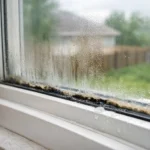
Full frame replacement is usually the smarter choice when the existing window is failing beyond the sash itself. If there is wood rot, water damage, air leakage around the frame, settling that has thrown the window out of square, or signs of poor installation from a previous job, installing a new insert into that old framework may only cover up the real problem.
A full frame approach gives the installer access to the rough opening. That means they can inspect for moisture damage, correct insulation gaps, improve flashing, and create a properly sealed installation from the ground up. In older homes, this can make a noticeable difference in long-term performance.
It is also the better route when homeowners want to change the style or size of the window, or when the old frame design limits curb appeal. If you are investing in replacement windows for the next 20 years, sometimes it makes more sense to start fresh rather than build on an aging structure.
Yes, full frame replacement usually costs more upfront. But if your current frames are compromised, it can prevent repeat repairs, energy loss, and hidden damage from getting worse. In that situation, the higher initial cost can protect the value of the home.
Insert vs Full Frame Replacement and Energy Efficiency
A lot of homeowners assume the glass package is the whole story when it comes to efficiency. It is not. The quality of the installation and the condition of the surrounding frame matter just as much.
With an insert replacement, energy performance can improve substantially if the original frame is still tight and stable. A well-manufactured replacement insert with quality weatherstripping and insulated glass can reduce drafts and improve comfort right away.
But if air is leaking around the old frame, an insert may not fully address the source of the problem. Full frame replacement allows for better access to insulation and air sealing around the opening, which can produce stronger whole-window performance. For homes dealing with cold winters, wind exposure, and temperature swings, that extra control can matter.
This is why honest assessment is so important. The less expensive option is not always the better value if it leaves weak points untouched.
Appearance, Trim, and Finished Results
Homeowners often focus on price first, then notice appearance later. That is backwards. Your windows are one of the most visible parts of the home, inside and out.
Insert replacements can look excellent when they are properly measured and professionally installed. They are especially practical when you want to preserve existing trim details or avoid disturbing finished surfaces. In the right setting, the project can feel efficient and clean without sacrificing a polished result.
Full frame replacement offers more design flexibility. It may create a cleaner overall appearance, especially if the original frames are bulky, dated, or uneven. It can also be the better choice if you want to match a broader exterior update, improve proportions, or modernize the home’s look.
If curb appeal is a major goal, ask to see how the finished frame dimensions will change. Small differences in frame size, brickmold, and trim detail can have a big visual impact.
Which Option Costs More?
In most cases, full frame replacement costs more than insert replacement. The reason is not just the product itself. It involves more labor, more material removal, more finishing work, and more time on site.
That said, lower cost does not automatically mean better value. If the frame is healthy and the insert is a strong fit, saving money with an insert replacement is a smart decision. If the frame has damage or the opening was never sealed correctly, paying less now may simply delay a larger repair.
The right quote should explain what is being removed, what is staying, and why. If one estimate is dramatically lower than another, ask whether both companies are proposing the same type of replacement. Many homeowners think they are comparing equal options when they are not.
How to Decide What Your Home Needs
The best decision usually starts with the condition of the existing frame, not the sales pitch. A trustworthy contractor should inspect for rot, moisture damage, squareness, insulation gaps, and signs of previous installation problems before recommending one method over the other.
If the frame is solid and your goal is a cost-effective upgrade, an insert may be the right fit. If there is structural wear, water intrusion, or you want a complete reset for performance and appearance, full frame replacement is often the better long-term move.
For homeowners who want straight answers, this is where manufacturer-direct service can help. A company that both builds and installs replacement windows has better control over sizing, quality, timelines, and final fit. Window Seal West takes that approach because the product and the installation need to work together if you expect lasting results.
The Best Choice Is the One That Solves the Real Problem
Insert and full frame replacement are not competing upgrades where one wins every time. They are different solutions for different conditions. A good window project is not about buying the most expensive option or the cheapest one. It is about fixing the actual issue, protecting your home, and getting results you can feel every season.
If you are comparing quotes, ask one simple question before anything else: is the existing frame worth keeping? The answer will tell you far more than any sales brochure, and it will put you much closer to a replacement that truly pays off.