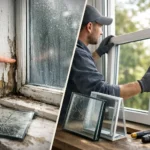
If your windows feel drafty in winter, hot to the touch in summer, or stubborn every time you try to open them, you are probably already asking the right question: how to choose replacement windows without overpaying or ending up with the wrong product. For most homeowners, this is not just a style decision. It affects comfort, monthly energy costs, security, noise control, and how well your home holds up over time.
The challenge is that window quotes can look similar on the surface while the products and installation standards behind them can be very different. A lower price may leave out important upgrades. A higher price is not always better if the window is not suited to your climate or your home. The best choice usually comes down to fit, performance, and who is building and installing the product.
How to Choose Replacement Windows for Your Home
Start with the reason you are replacing them. If your priority is lowering energy bills, focus first on glass performance, frame quality, and air leakage. If your concern is curb appeal, think about sightlines, color options, grille styles, and the window shape that fits your home. If you want easier cleaning or better ventilation, operation style matters more than most people expect.
This is where many homeowners lose time. They shop by price before they shop by purpose. A good window should solve a specific problem in your home, not just fill an opening.
Older homes often benefit from a different approach than newer ones. In a mature neighborhood, you may need custom sizing, trim considerations, or products that preserve the character of the home. In a newer property, your focus may be improving efficiency or upgrading appearance without changing the overall look. Either way, the right replacement window should feel like it belongs there.
Choose a Window Style That Matches the Room
Window style affects more than appearance. It changes airflow, maintenance, access, and even furniture placement.
Casement windows are a strong choice when ventilation and energy efficiency matter. Because they close tightly against the frame, they tend to perform well in demanding weather. Awning windows work well in bathrooms, basements, and other spaces where you may want airflow even during light rain. Sliding windows are practical and simple to operate, especially where you do not want a sash swinging outward or inward. Hung windows suit traditional homes and can be a good visual fit, though performance can vary depending on build quality.
Picture and fixed windows are ideal when the goal is light and views rather than ventilation. Bay and bow windows add architectural interest and depth, but they also require careful planning around structure, insulation, and cost. Custom windows can be worth it if you are trying to match a unique opening or create a more distinctive look.
There is no single best style for every room. A kitchen over a sink may benefit from a casement. A living room may call for a larger fixed or picture unit to maximize light. Bedrooms need to balance ventilation, comfort, and egress requirements where applicable.
How to Choose Replacement Windows by Material and Glass
Frame material and glass package have a direct effect on durability and year-round comfort. This is especially true in places with wide temperature swings and harsh winters.
Vinyl remains one of the most popular frame options for good reason. It is low maintenance, energy efficient, and cost-effective. But not all vinyl windows are made the same. The quality of the extrusion, chamber design, reinforcement, welding, and hardware all influence long-term performance. A poorly made vinyl window may look fine at first and still disappoint you later.
Glass deserves just as much attention. Double-pane glass is common, but that does not tell the whole story. Low-E coatings help reflect heat, argon gas improves insulation, and warm-edge spacers can reduce heat transfer around the perimeter of the glass. If your current windows are cold near the edges or prone to condensation, these details matter.
Noise reduction may also influence your decision. If your home faces a busy road or you simply want quieter rooms, the right sealed unit can make a noticeable difference. Security is another factor. Strong locks, durable hardware, and quality construction should be part of the conversation, not an afterthought.
When comparing quotes, ask what is actually included in the glass package. Homeowners are often shown a price for a basic configuration, then realize later that the comfort and efficiency features they expected were upgrades.
Pay Attention to Energy Performance Ratings
Energy efficiency claims should be easy to understand. Look for performance data that reflects insulation value, solar heat control, and air leakage. The exact numbers that matter most can depend on your home and exposure. A south-facing room with lots of sun may have different needs than a shaded north-facing side.
That is why honest consultation matters. A one-size-fits-all recommendation is usually a red flag. Good replacement windows should be selected with your house, orientation, budget, and goals in mind.
Installation Matters as Much as the Window
Even a well-made window can underperform if it is installed carelessly. This is one of the biggest reasons homeowners end up frustrated after spending real money.
Proper installation affects air sealing, water management, insulation, operation, and finish quality. A clean-looking job is not automatically a correct one. The opening has to be measured accurately, prepared properly, insulated correctly, and finished with attention to detail. If that process is rushed, problems can show up fast or slowly over time.
Ask who is responsible for the full project. Some companies sell the product but outsource key parts of the job. Others control manufacturing, supply, and installation from start to finish. That level of control can help with accountability, customization, and lead time, especially if an opening requires something more precise than an off-the-shelf option.
A professional crew should also respect your home. Clean work areas, punctual service, and careful interior and exterior finishing are not extras. They are part of a proper replacement experience.
Compare More Than the Bottom-Line Price
It is smart to compare quotes, but make sure you are comparing the same scope. One estimate may include full removal and disposal, upgraded glass, better hardware, and complete finishing, while another may not. That price gap may not be a gap at all once everything is lined up honestly.
Warranty coverage matters too. Look at what is covered on the product, the sealed units, the hardware, and the installation itself. Financing can also be worth considering if you are replacing several windows at once and want to avoid delaying the project.
Factory-direct pricing is appealing for a reason. When you buy directly from a manufacturer-installer, there are fewer layers between you and the final product. That can create better value, clearer communication, and more confidence in what you are getting.
Questions to Ask Before You Commit
Before signing anything, ask how the windows are made, what customization options are available, and what performance features are standard. Ask how measurements are handled, how long production will take, and what the installation process looks like from start to finish.
You should also ask what happens if something needs adjustment after installation. A dependable company will answer clearly, not vaguely. Reviews, years in business, and local manufacturing can all help you judge whether the company will be there when you need service.
If you are in Calgary, working with a local manufacturer like Window Seal West can offer practical advantages. Products built for local conditions, direct pricing, and one team managing the job from consultation to installation can remove a lot of uncertainty from the process.
The right replacement windows should make your home feel quieter, more comfortable, and easier to live in every day. If a quote looks good but leaves you unsure about quality, installation, or long-term value, keep asking questions until it does not. A window purchase should give you confidence before the work starts, not just after it is done.