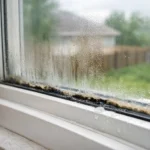
A window does not have to be shattered to be failing. In many Calgary homes, the real warning signs are quieter – higher energy bills, cold drafts near the frame, glass that fogs between panes, or windows that no longer open and lock the way they should. If you are asking when replace home windows, the right answer usually comes down to performance, safety, and long-term value rather than age alone.
When replace home windows becomes the right move
Homeowners often wait until a window looks obviously damaged. That can be expensive. By the time visible deterioration shows up, you may already be paying for heat loss, dealing with moisture issues, or putting stress on your HVAC system.
A better approach is to look at how your windows perform day to day. If rooms feel uncomfortable in winter, outside noise seems louder than it should, or condensation keeps appearing where it should not, your windows may no longer be doing their job. Replacement is not just about appearance. It is about restoring efficiency, security, and dependable function.
In a climate with strong seasonal swings, windows need to do more than sit in the wall. They need to insulate, seal tightly, resist moisture, and operate reliably year after year. When they stop meeting those basics, repair can become a short-term patch instead of a smart investment.
The clearest signs your windows need replacement
Drafts and uneven indoor temperatures
If you feel cold air near a closed window, that is one of the clearest signs of a failing seal, frame, or installation system. Some homeowners assume a draft is normal in older homes. It is not something you should simply accept.
A properly built and installed replacement window should help stabilize indoor temperatures, especially in rooms that are harder to heat or cool. If one bedroom is always colder than the rest of the house, the windows in that space deserve a close look.
Condensation between panes
Condensation on the room side of glass can sometimes be tied to indoor humidity. Condensation trapped between panes is different. That usually means the sealed unit has failed.
Once that insulating seal is gone, the window is not performing as intended. Visibility drops, energy efficiency suffers, and the issue does not correct itself. In some cases, replacing only the glass unit is possible, but if the frame is aging too, full replacement is often the better long-term choice.
Windows that stick, jam, or will not lock properly
Windows should open, close, and lock without a struggle. If they stick seasonally, require force, or no longer align properly, that can point to warped frames, shifting structure, worn hardware, or installation problems.
This matters for more than convenience. A window that will not lock securely is also a security concern. For homeowners comparing repair to replacement, usability is a major tipping point. If several windows in the home are difficult to operate, replacing them can improve both safety and daily comfort.
Rising energy bills
Heating and cooling costs creep up for many reasons, but underperforming windows are a common contributor. Older windows, damaged seals, and poor-fitting frames can allow heat transfer that makes your furnace and air conditioner work harder.
New replacement windows designed for local conditions can help reduce that load. The exact savings depend on the home, the product selected, and installation quality, so it is worth being realistic. Windows alone will not solve every efficiency problem. But if your existing units are failing, replacement can be a meaningful improvement.
Visible damage, rot, or water issues
Soft wood, cracked frames, peeling finishes, and water staining around the window are signs you should not ignore. Moisture has a way of turning a manageable repair into a larger renovation issue.
If the problem is limited to trim or caulking, a repair may be enough. If the frame itself is compromised, replacement is usually the safer choice. Delaying too long can affect surrounding wall materials and increase project cost.
Age matters, but performance matters more
Many homeowners ask for a number. Should windows be replaced after 15 years? 20 years? 30 years? The honest answer is that lifespan varies.
High-quality windows that were properly installed can last a long time. Lower-quality products or windows exposed to harsh weather may decline much sooner. That is why age should be treated as one factor, not the only factor.
If your windows are older and still perform well, replacement may not be urgent. If they are relatively young but already drafty, fogged, or hard to operate, waiting longer does not usually improve the situation. A professional assessment helps separate cosmetic concerns from real performance problems.
Repair or replace?
This is where many homeowners hesitate, and for good reason. Not every issue calls for full replacement.
If the problem is isolated hardware, minor caulking failure, or a small trim issue, repair can make sense. It is often the right move when the window frame is still sound and the glass seal is intact. On the other hand, if you are facing repeated service calls, multiple failed units, moisture damage, or broad comfort issues throughout the home, replacement typically delivers better value.
There is also the question of consistency. Replacing one failed window in a house full of aging windows can solve one room while leaving the rest of the home underperforming. In that case, a phased replacement plan may be more practical than one-off fixes. It spreads out the investment while still moving the home in the right direction.
The best time of year to replace windows
Homeowners often think window replacement has to wait for warm weather. That is not necessarily true. Professional installation can be done successfully in multiple seasons when crews work carefully and efficiently.
Spring and summer are popular because scheduling feels easier and renovation season is in full swing. Fall can also be a smart time, especially if you want improved comfort before winter. Even colder months can work for replacement projects when the installer follows a clean, controlled process and minimizes exposure time.
The better question is not just what month it is. It is whether your current windows are costing you comfort and money right now. If they are, delaying for a perfect season may not be worth it.
What homeowners should look for before saying yes
Replacing windows is not just a product purchase. It is a manufacturing and installation decision. That is why quote comparisons should go beyond the bottom-line number.
Start with product fit for your climate and home style. Then look closely at warranty coverage, installation standards, lead times, and how much control the company has over the process. Factory-direct manufacturers have an advantage here because they can often offer better pricing, tighter quality control, and more customization than companies relying fully on outside suppliers.
Installation quality matters just as much as the window itself. Even a well-built unit can underperform if it is installed poorly. Homeowners should expect clear communication, clean job sites, accurate measurements, and crews that respect the home.
This is also where value becomes more than price. Saving money upfront on a lower-grade product or rushed install can cost more over time through callbacks, discomfort, and early replacement. Good windows should feel like a long-term improvement, not a temporary fix.
When replacement adds more than efficiency
Energy savings usually start the conversation, but they are not the only reason homeowners replace windows. New windows can improve curb appeal, reduce outside noise, and make the home feel more secure. They can also make everyday living easier when styles are chosen to match how each room is used.
A casement window over the kitchen sink may be easier to operate. A fixed or picture window may open up a view while keeping efficiency high. Sliding, awning, hung, and custom options all have their place, depending on ventilation needs, design goals, and budget.
That is why a one-size-fits-all recommendation rarely works. The best replacement plan is tailored to the home, not pulled from a generic checklist.
A practical way to decide when to replace home windows
If you are still unsure when to replace home windows, think in terms of patterns instead of one-off annoyances. One sticky lock might be a repair. One failed sealed unit might be manageable. But when drafts, fogging, operation issues, and rising bills begin showing up together, your windows are telling you something.
At that point, getting a professional assessment is the smart next step. A dependable manufacturer-installer can help you understand what is failing, what can be repaired, and what is worth replacing now versus later. For homeowners who want clear pricing, custom-fit products, and installation done with care, that clarity matters as much as the windows themselves.
If your home feels less comfortable every season and your windows keep giving you reasons to notice them, that is usually the sign you have waited long enough.