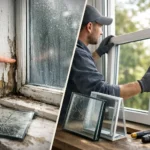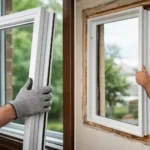
You notice it on a cold morning first. The view looks hazy, there is moisture trapped between the panes, and no amount of cleaning fixes it. If you are wondering what causes window seal failure, the short answer is this: age, weather stress, movement, and manufacturing or installation issues can all break down the airtight seal that keeps insulated glass performing the way it should.
For homeowners, a failed seal is not just a cosmetic issue. It can affect energy efficiency, indoor comfort, and the overall life of the window. In a climate with sharp temperature swings, strong sun, and winter cold, that matters even more. Knowing why seals fail helps you spot problems early and make a better decision about repair versus replacement.
What a window seal actually does
Most modern residential windows use insulated glass units, often called double-pane or triple-pane glass. Between the panes, the manufacturer creates a sealed space that may contain insulating gas such as argon. The edge seal holds the unit together, helps keep moisture out, and supports the thermal performance of the glass.
When that seal stays intact, the window works as designed. When it breaks down, outside air and moisture can enter the space between the panes. That is when you begin to see fogging, condensation, or a permanently cloudy look.
What causes window seal failure over time
In many homes, seal failure is not caused by one dramatic event. It is usually the result of gradual wear. The materials around the glass expand and contract, the sun beats on the frame, winter temperatures put stress on the edges, and after years of service the sealant can simply lose its strength.
This is why even a well-made window may eventually experience a failed insulated glass unit. That said, not all failures happen at the same pace. Product quality, installation quality, orientation of the home, and local weather conditions all make a difference.
Age and normal material breakdown
Seal materials do not last forever. Over time, exposure to heat, cold, and ultraviolet light can dry out or weaken the components that keep the glass unit airtight. As those materials age, tiny breaches can form. Once moisture gets in, the problem usually gets worse rather than better.
Older windows are more likely to experience this issue, especially if they have already been through many seasonal cycles. A seal that has held up for 15 or 20 years has done a lot of work.
Extreme temperature swings
One of the biggest answers to what causes window seal failure is repeated expansion and contraction. Glass, spacers, sealants, and frames all respond differently to temperature changes. When the weather shifts from freezing nights to warm afternoons, those materials move.
That movement puts stress on the edges of the sealed unit. Over time, repeated stress can weaken the bond and create small openings. Homes in climates with long winters, intense summer sun, or frequent temperature swings tend to see more of this kind of wear.
Direct sunlight and UV exposure
South- and west-facing windows often take the hardest hit from the sun. Constant heat and UV exposure can accelerate the aging of seal materials, especially on older or lower-quality units. Even if the frame still looks fine from the room side, the edge seal can be under heavy stress day after day.
This does not mean sunny exposures always fail early, but it does mean orientation matters. Two windows installed on the same day may age very differently depending on how much direct sun they receive.
Poor installation
A quality sealed unit still depends on proper installation. If the window opening is not square, if the frame is twisted during installation, or if there is too much pressure on one part of the unit, that added stress can affect the seal over time.
Improper shimming, uneven fastening, and poor handling during installation can all contribute. In some cases, seal failure shows up years later, which makes it easy to assume the product alone was at fault when the real issue started with how the window was set in place.
Manufacturing defects or lower-quality components
Not all insulated glass units are built to the same standard. Seal durability depends on materials, production methods, quality control, and consistency at the factory. If the unit was made with inferior spacers, weak sealants, or poor edge preparation, it may fail earlier than expected.
This is one reason homeowners often compare price alone and miss a bigger value issue. A lower upfront cost can turn into higher long-term cost if the glass does not hold up.
House settling and structural movement
Homes move more than most people realize. Foundation shifts, seasonal settling, and framing movement can place stress on windows. In newer homes, some settling is expected. In older homes, long-term movement can slowly throw openings out of alignment.
When the opening changes shape even slightly, the glass unit and frame may no longer sit under even pressure. That can contribute to seal breakdown, especially when paired with seasonal expansion and contraction.
Signs your window seal has failed
The clearest sign is condensation or fog trapped between the panes of glass. If the moisture is on the room side or exterior side, that may just be humidity or weather. But if it is inside the sealed space, the seal has likely failed.
You may also notice a milky appearance, streaks that cannot be cleaned away, or visible water droplets between panes. Some homeowners first notice a drafty feel or a drop in comfort near the window, although that can also point to frame or installation issues rather than the glass seal alone.
Does a failed seal always mean you need a full new window?
Not always. It depends on the age of the window, the condition of the frame, the quality of the original product, and whether the problem is limited to the insulated glass unit.
If the frame is still in excellent condition and the issue is isolated to the glass, replacing the sealed unit may be the most practical option. If the window is older, inefficient, difficult to operate, or showing additional wear, full replacement may offer better long-term value.
This is where an honest assessment matters. Homeowners do not benefit from paying for a full window replacement when a glass-only solution would do the job. At the same time, replacing only the glass in a worn-out frame can be a short-term fix that delays a larger problem.
Can window seal failure be prevented?
You cannot stop normal aging completely, but you can reduce the risk. Better manufacturing, correct installation, and climate-appropriate products all help extend service life. Choosing windows designed for your local conditions matters more than many homeowners realize.
Routine inspection also helps. If you catch early signs of trouble, you can address them before comfort and efficiency drop further. Keep in mind that excessive frame stress, poor drainage, and neglected maintenance around the opening can all make problems worse.
Why product and installation quality matter so much
When homeowners ask what causes window seal failure, they are often looking for one simple culprit. In reality, seal failure usually happens where product quality and jobsite conditions meet. A well-built sealed unit installed correctly has a much better chance of lasting. A weaker unit, or a good unit installed poorly, is more vulnerable from the start.
That is why working with a manufacturer-installer can be such a practical advantage. When the same company controls production quality and installation standards, there is less finger-pointing and more accountability. For homeowners making a significant investment, that peace of mind counts.
Window Seal West, for example, builds and installs with local conditions in mind, which is exactly what homeowners should look for when comparing options. The goal is not just a good-looking window on day one. It is a window that keeps performing through years of weather, temperature swings, and daily use.
When to act on a failed seal
If the glass is visibly fogged between panes, it is worth having it inspected. Even if the issue seems minor, failed seals do not repair themselves. The longer you wait, the more likely you are to live with reduced clarity, weaker thermal performance, and the chance that other window issues will be overlooked.
A professional inspection can tell you whether you need a sealed unit replacement, a full window replacement, or simply reassurance that the issue is something else. That kind of clarity saves time and avoids spending money in the wrong place.
If your windows are showing signs of age, comfort problems, or visible seal failure, the best next step is a straightforward evaluation from a team that understands both manufacturing and installation. The right solution should fit your home, your budget, and the years of performance you expect from it.